
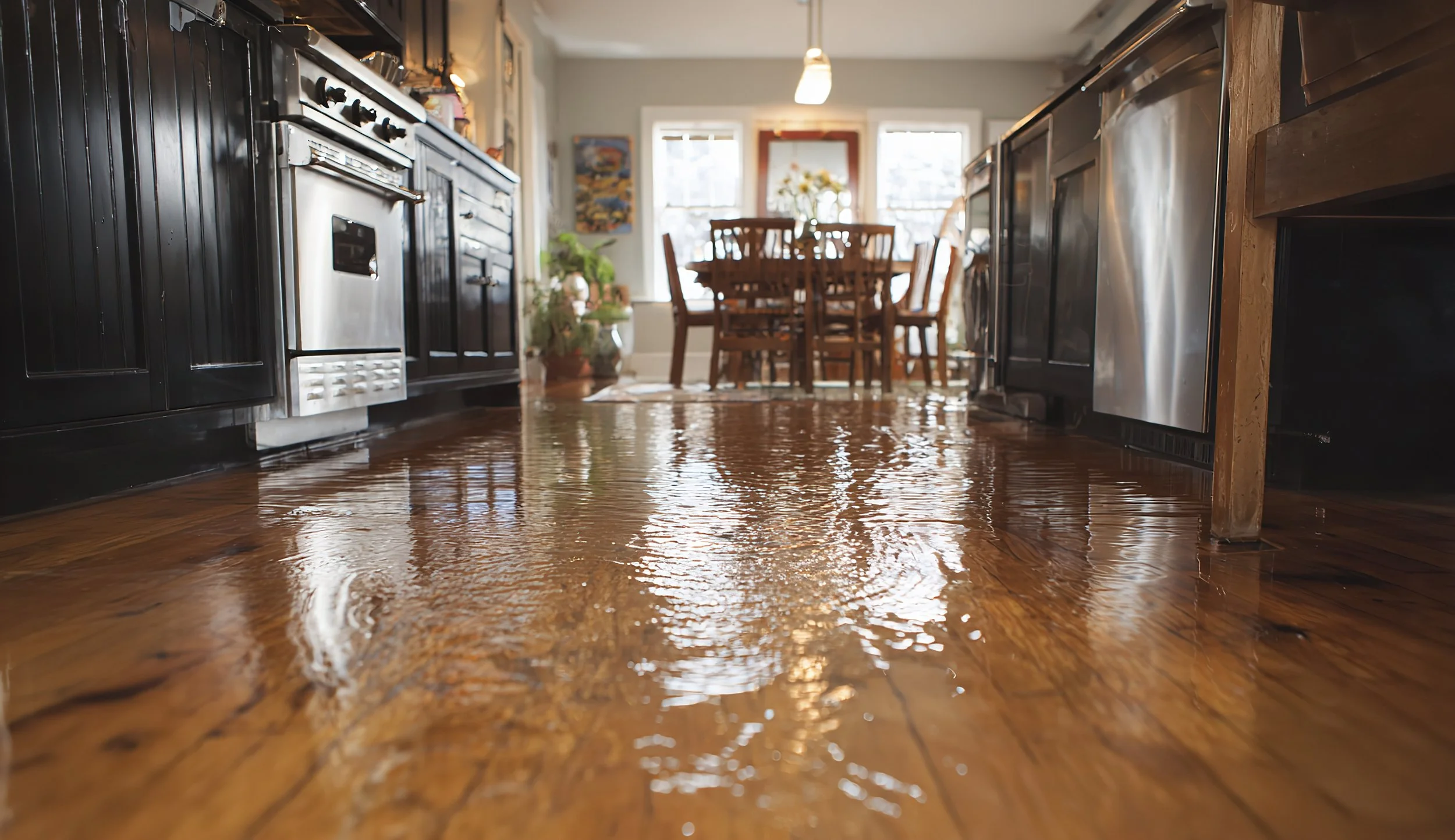
Water Damage Mitigation
Water damage can result from plumbing failures, appliance leaks, weather events, sprinkler discharges, or other building system issues. When moisture is not addressed promptly, it can spread beyond visible areas and affect structural materials, finishes, and indoor environmental conditions.
Kelley Restoration provides water damage mitigation and structural drying services designed to stabilize affected properties and limit further damage. Services can include water extraction, moisture mapping, structural drying, material removal when necessary, and ongoing monitoring throughout the drying process.
We provide detailed documentation, moisture data, and project reporting to support property owners, insurance professionals, and claim-related decision making.
❋ Common Causes of Water DamageCommon water losses include supply line failures, drain line leaks, appliance malfunctions, water heater failures, HVAC condensate overflows, sprinkler discharges, and weather-related intrusions.
The extent of damage often depends on the source of water, duration of exposure, affected materials, and how quickly mitigation efforts begin.
❋ What Water Damage Can AffectWater damage can affect finished flooring, drywall, insulation, cabinetry, trim, contents, and concealed building cavities. Moisture can migrate beyond visibly damaged areas and remain trapped within structural assemblies if not properly evaluated and dried.
Even when surfaces appear dry, elevated moisture conditions may remain within materials and contribute to deterioration, microbial growth, or ongoing damage.
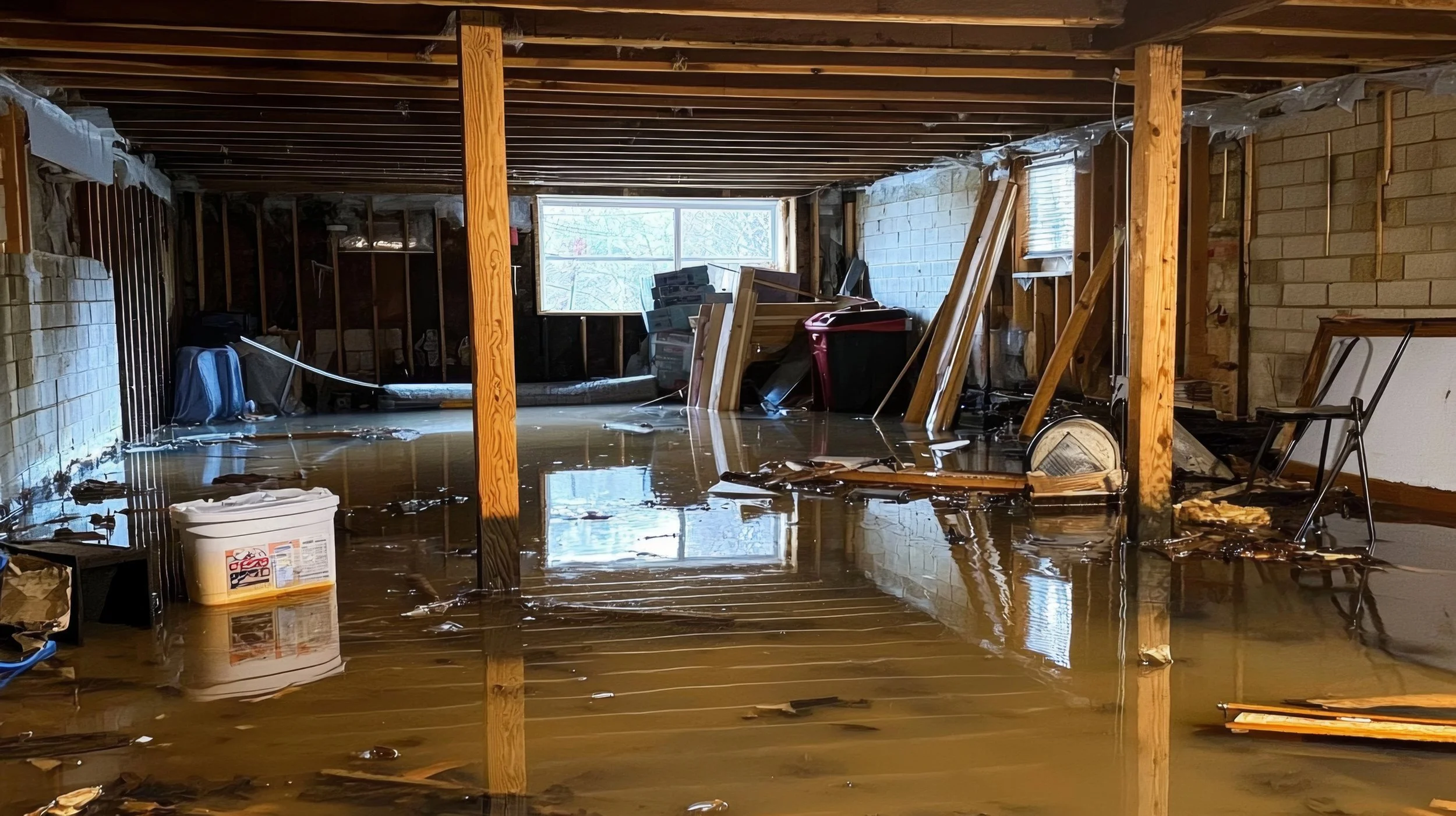
Our Water Mitigation Process
Kelley Restoration follows IICRC-aligned water mitigation practices to stabilize affected materials, reduce secondary damage, and support proper structural drying:
Damage assessment and moisture investigation
Water extraction and removal
Structural drying and dehumidification
Removal of affected materials when necessary
Moisture monitoring and drying verification
Documentation for insurance support
Why Fast Mitigation Matters
Moisture can remain trapped within building materials long after a water event, even when surfaces appear dry. Without proper mitigation and drying, these conditions can contribute to material deterioration, mold growth, and more extensive restoration needs.